
Muffled hearing can impact every aspect of your life, leaving you feeling disoriented and disconnected from the world around you. Many people immediately fear they’re experiencing irreversible hearing loss when, in reality, the culprit may be something much simpler: earwax buildup.
Distinguishing between a cerumen blockage and true hearing loss is vital for determining if you need a simple cleaning or a formal diagnostic exam. There is no reason to feel overwhelmed if auditory inputs seem dampened. While only a clinician can confirm the cause, understanding these essential markers of wax vs. hearing loss can provide immediate clarity.
Identifying the Symptoms of Canal Obstruction
Earwax (cerumen) is a natural, protective substance that helps capture dust and debris and keeps the ear canal healthy. Clinical issues only manifest when the wax fails to migrate out of the ear, resulting in a significant buildup or blockage.
Standard markers of an impaction include:
- A noticeable decrease in hearing volume
- The sense that there is a mechanical plug in the canal
- Canal irritation or slight pain
- Ringing in the ear (ringing)
- Sound sharpness that shifts or improves briefly with jaw movement
Earwax-related hearing issues are often uneven, impacting one ear more than the other. Luckily, once surplus wax is professionally extracted, hearing often reverts to normal right away.
How Auditory Loss Usually Manifests
Hearing loss, particularly presbycusis or noise-induced hearing loss, has a tendency to progress gradually and doesn’t improve when the ear is cleaned.
Indications of irreversible hearing loss often involve:
- Difficulty understanding conversation, especially in noisy settings
- Often requiring clarification during everyday dialogue
- Turning up the TV or phone volume louder than people prefer
- Diminished sensitivity to high-frequency sound input
- Bilateral hearing changes that impact both ear canals simultaneously
A vital difference is that actual loss lacks the physical “plugged” sensation that follows an earwax blockage.
Primary Distinctions at a Glance
A few fundamental indicators can help you ascertain whether you are contending with a manageable obstruction or a more lasting shift:
- Development: Wax-related dampening can be quick, but lasting loss takes decades
- Sustainability: Obstructions are a fast fix, while nerve loss requires ongoing care
- Feelings: Physical “clogging” leads to cerumen, while the inability to clarify sounds points to loss
- Asymmetry: Cerumen often affects a single ear; hearing loss frequently affects each
The Risks of At-Home Ear Cleaning
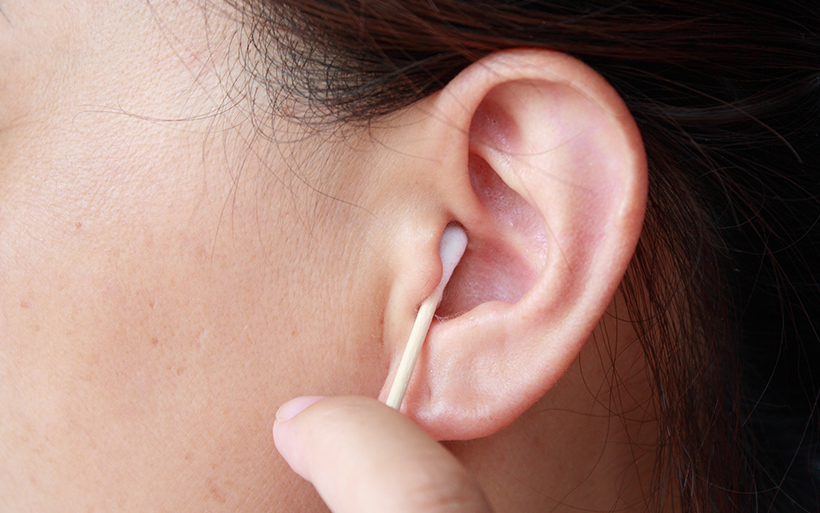
Many people make the error of attempting to extract a suspected obstruction manually using swabs or home tools. Regrettably, these can push wax further in and worsen the problem.
Medical research indicates that DIY removal often results in unintended damage or increasingly complex impactions.
Postponing a professional check-up for real hearing loss can result in losing out on treatments that shield your future cognitive and communal well-being.
How a Clinical Evaluation Helps
A quick clinical check-up is the only way to confirm if cerumen is actually the cause of your dull auditory issues.
If a blockage is found, a professional can remove it carefully, often restoring your hearing instantly.
Should the auditory canal be unobstructed but auditory difficulties continue, a hearing test can assess whether auditory impairment is present and determine its category and severity.
Medical experts advise seeking a professional evaluation as soon as you notice hearing fluctuations that impact your lifestyle.
Closing Thoughts on Cerumen and Hearing Wellness
Muffled hearing doesn’t necessarily mean permanent trauma.
In many instances, earwax buildup is the source, and it’s extremely manageable.
Your hearing care specialists can assist you to find the source of muffled auditory symptoms so you can proceed with confidence and tranquility.
Keep in mind that home assessment is hardly a substitute for a clinical check-up when it pertains to your auditory health.
Addressing the concern now halts the stress of the unknown and places you on the path to improved hearing.
Rather than wondering what is wrong, schedule a rapid check-up with our audiologists to uncover the reality.