
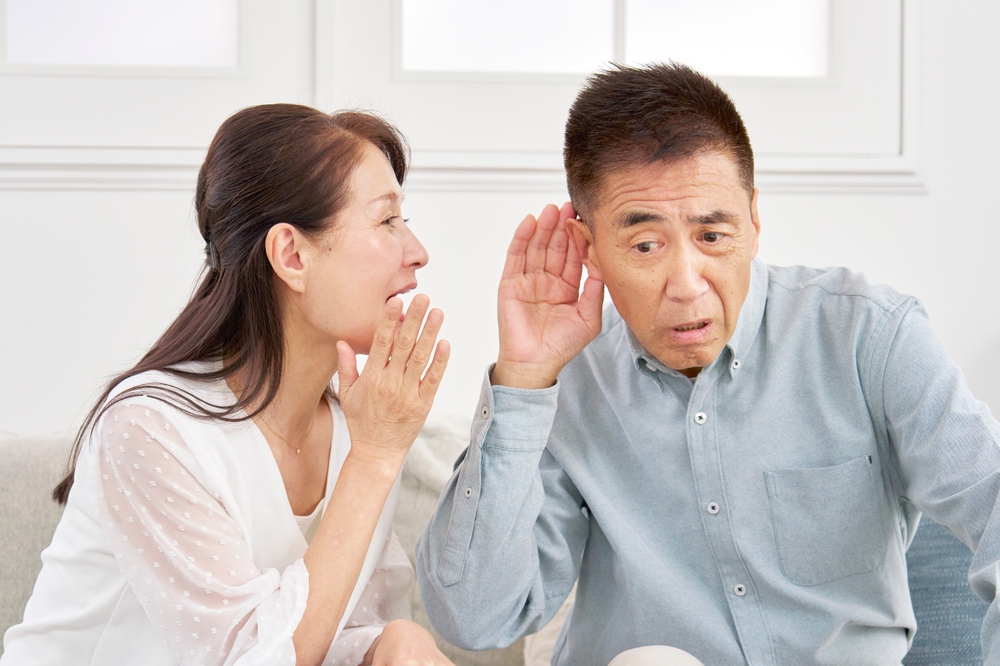
Prevalent myths regarding hearing loss frequently act as a barrier to necessary audiological treatment. Proactive management of hearing loss ensures the best possible outcomes for auditory preservation. Adhering to standard hearing myths often leads to diagnostic delays and a measurable decline in life quality.
Identifying the facts behind auditory health allows you to navigate clinical options with technical certainty. The following analysis deconstructs seven common hearing fallacies using modern audiological data.
Myth One: Auditory Decline is Strictly Age-Related
While age-related hearing changes are common, hearing loss can occur at any age. Noise exposure, genetics, infections, certain medications, and underlying medical conditions can all contribute to hearing problems in younger adults and even children.
The “aging myth” frequently prevents young and middle-aged adults from pursuing an essential hearing test.
The “I Can Still Hear” Fallacy
An individual can suffer from hearing loss without experiencing a complete loss of sound. Patients with mid-range impairment often perceive environmental noise while losing the ability to decode complex speech. Between perfect hearing and total hearing loss is a wide spectrum of hearing challenges.
Early symptoms frequently manifest as “cocktail party effect” struggles or a need for constant clarification from speakers. These markers represent initial auditory shifts that warrant a professional evaluation.
3. Myth: Hearing Loss Is Simply an Inconvenience
Ignoring hearing loss creates systemic health risks that impact the entire neurological system. Research has linked unmanaged hearing loss to social withdrawal, increased stress, cognitive strain, and even a higher risk of depression.
Addressing hearing concerns early helps protect not only your ability to communicate, but also your overall well-being.
4. Myth: Hearing Aids Make Your Hearing Worse
Some people believe that wearing hearing aids will cause their hearing to deteriorate more quickly, but that is not true.
Properly programmed hearing aids pose zero risk of physical damage to the auditory system. These devices use precision digital processing to target frequencies identified in your hearing test. Consistent use of hearing aids maintains the neural pathways required for clear sound interpretation.
Modern Hearing Aids: Invisible and Powerful
The landscape of audiological hardware has undergone a radical digital transformation. Modern hardware has reached a peak of efficiency, offering discrete aesthetics with high-fidelity sound. Many hearing aids are nearly invisible when worn and can be customized to fit comfortably inside or behind the ear.
Modern tech includes advanced directional microphones and wireless streaming directly to the patient’s ears.
Myth: Small Hearing Changes Don’t Warrant Clinical Action
Don’t underestimate “slight” hearing changes; they still disrupt the natural flow of information to the brain. Prompt intervention mitigates listening fatigue by making sound processing effortless for the neurological system.
Early clinical action ensures that the brain’s auditory processing centers remain sharp and functional.
Why OTC Devices Often Fall Short of Clinical Needs
While some over-the-counter hearing devices may provide basic amplification, they are not customized to your specific hearing profile. Only a formal assessment can provide the data needed to create a truly effective and personalized treatment plan.
The difference between “generic” and “custom” is measured in both physical comfort and speech understanding.
Don’t Let Hearing Loss Myths Hold You Back
Auditory shifts can be daunting, leading many to avoid the clinic through a “denial” response. But believing common myths about hearing loss can make symptoms more challenging over time. The good news is that hearing evaluations are simple, painless, and highly informative.
If your ears feel “different,” scheduling a formal evaluation is the responsible next step for your health. Seeking help sooner rather than later preserves both your social life and your neurological sharpness.
For more information or to book your next hearing test, please contact our clinic today. Our team is available for appointments: Call us today to protect your hearing.