
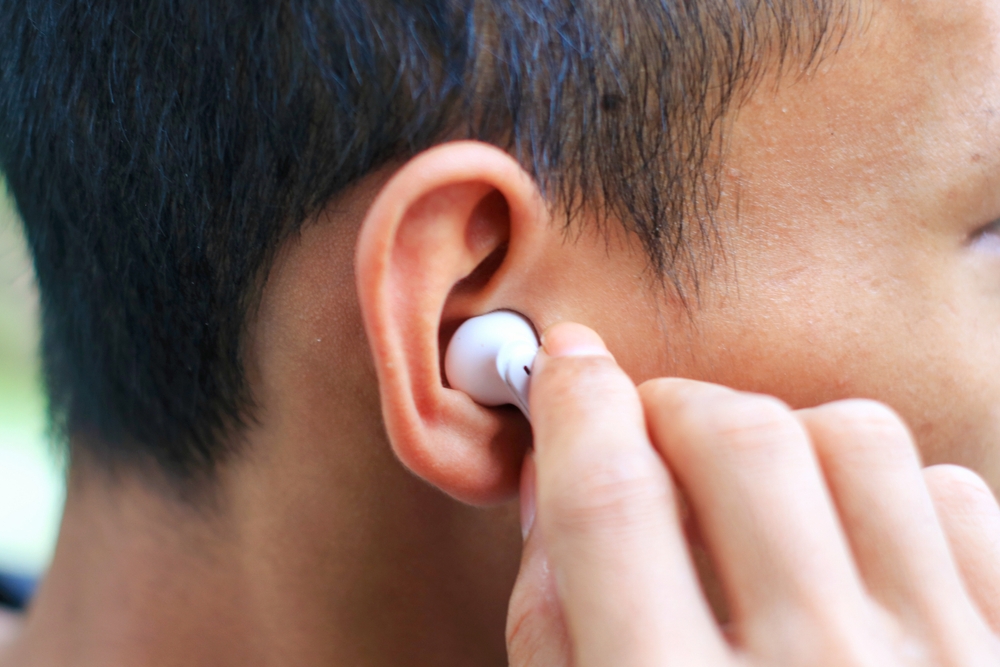
In modern public spaces, the sight of a young person without some form of in-ear audio is rare. Though over-ear headphones are more bulky, the younger demographic still relies on them for environmental isolation. Musical enjoyment knows no age limit, though the younger generation has integrated it more deeply into their daily transitions. This leads to the clinical question: can the proximity of these devices to the ear canal trigger permanent auditory damage? It’s not the device itself, but how we use it.
The Biological Threshold of Auditory Exposure
Acoustic stimuli can act as a sedative, an emotional balm, or a powerful stimulant depending on the tempo. This subjective experience is dictated by the specific characteristics of the chosen track. Employing in-ear monitors is an effective method for maintaining acoustic privacy in public environments. That’s a positive thing, and most people will tell you that they are grateful and prefer that on a train or bus.
The primary clinical concerns center on the precise limits of sound pressure and the length of the listening session. The biological fact is that high-intensity sound waves are inherently damaging to the auditory system. If you maintain a high volume for a long period, you risk destroying the hair cells in your inner ear. Hearing loss occurs gradually, so by the time you realize what’s happening, it may be too late.
The Biological Impact of High-Intensity In-Ear Audio
High volume stands as the most significant threat to the preservation of hearing sensitivity. Yet, we must remember that the length of time spent listening is equally important as the decibel level.
- Clinical guidelines from the NIH suggest that listening at or below 70 dB prevents damage regardless of the duration.
- High-intensity sound waves cause cellular damage in a fraction of the time required by moderate sounds.
- Implement the 60/60 safety protocol by capping volume at 60% and taking a break every 60 minutes.
- Taking control of your volume slider and managing your time is the best defense against hearing loss.
Red Flags: When to Suspect Hearing Impairment
If you notice muffled speech, struggle with background noise, experience **tinnitus**, or constantly require others to speak up, a professional evaluation is necessary.
Schedule an appointment with our specialists if you believe your auditory health has been compromised.