
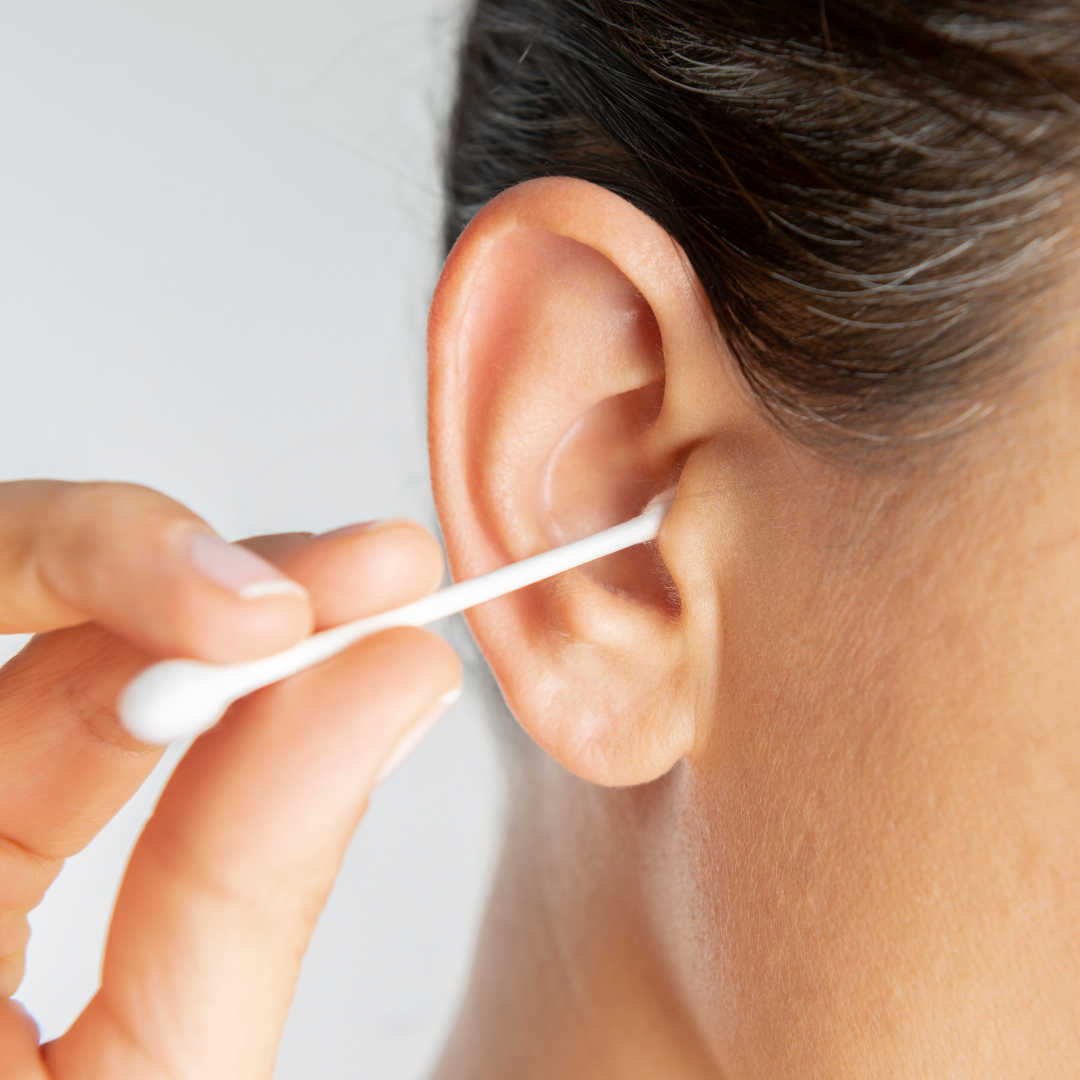
Even though cotton swabs seem practical for routine hygiene, probing the inner canal creates deeper impactions and threatens long-term ear health. We perform thorough examinations to verify if earwax removal is necessary and select appropriate procedures for your ear condition. The auditory canal generally manages its own cleaning; however, should impaction arise, our team provides safe clinical earwax removal.
Why Are Q-Tips Bad for Your Ears?
Earwax, or cerumen, is not dirt. It serves by ensnaring foreign debris, discouraging bacterial invasion, lubricating skin linings, and safeguarding the inner canal. Natural temporomandibular jaw motion combined with epithelial migration steadily pushes aging cerumen outward, where it naturally sheds or rinses away in the shower.
Inserting a cotton swab directly into the auditory canal interferes with this natural clearance mechanism. Although the cotton may collect a small amount of wax, it often pushes the remaining material closer to the eardrum. Frequent swab use consolidates soft wax into a rigid barrier, generating an uncomfortable plugged sensation that fosters continuous overcleaning.
You may gently utilize cotton swabs across the external auricle, but you should avoid inserting them into the internal canal.
How Cotton Swabs Cause Physical Trauma to the Ear
The epidermal tissue coating the ear canal is thin and tears under minimal friction. Minor physical scratches induce pain, trigger localized bleeding, and invite bacterial colonization, increasing outer ear infection rates. There is also a risk that the cotton tip will detach and become stuck deep inside the auditory canal.
Possible injuries include:
- Earwax pushed into a deeper impaction
- Epithelial lacerations, inflammation, erythema, or bleeding
- Pathogenic infection involving the ear canal
- Cotton swab fragments trapped inside the auditory canal
- A torn or perforated eardrum
- Damage to the tiny acoustic middle-ear bones
- Temporary or permanent hearing changes
- Acute tinnitus, vertigo, or intense otalgia
While severe structural trauma occurs infrequently, accidental elbow jostling, sudden slipping, or over-insertion can provoke profound injury.
Clinical Guidelines on Earwax Removal Frequency
Clinical extraction of earwax is not routinely required on a fixed schedule for most patients. Normal ears migrate cerumen toward the opening constantly, allowing routine bathing to cleanse the visible exterior. Excessive cleaning strips natural oils, inflames delicate canal skin, and substantially elevates the chance of infection or impaction.
Cerumen removal is indicated when buildup obstructs the canal, hinders tympanic membrane visualization, degrades hearing aid performance, or generates symptoms.
Safe Protocols for Managing Cerumen at Home
If earwax is not causing symptoms, leaving it alone is usually the safest option. Use a damp, soft cloth to clean only the exterior ear structures, allowing the inner canal to maintain itself.
If cerumen requires softening, we might suggest an over-the-counter preparation or ear drops formulated with carbamide peroxide, mineral oil, saline, or glycerin. Follow the package directions meticulously regarding droplet quantity and consecutive days of use. Discontinue administration immediately if the solution sparks pain, severe dizziness, skin rash, or worsening ear fullness.
Home irrigation is not appropriate for everyone and should only be attempted after a professional confirms it is safe and explains the technique. You must never employ high-pressure dental water jets for ear clearing. Do not use dangerous devices like ear candles, metal scrapers, endoscopic camera tools, hairpins, or unverified suction units. Such unapproved devices easily burn canal walls, cut fragile skin, puncture the eardrum, or drive cerumen deeper.
When Should I See a Doctor for Earwax Removal?
You should book a clinical appointment if your ear feels blocked following softening drops, cerumen is deeply wedged, or home methods fail to work. Direct clinical removal is particularly indicated when a patient cannot remain still, possesses tortuous or narrow canals, uses hearing aids, or has a history of ear surgery.
Obtain a focused audiological evaluation for:
- Ear pain, persistent itching, or tenderness
- Otorrhea containing blood, active pus, serous fluid, or an unpleasant odor
- Systemic fever or noticeable swelling around the auricle
- The sudden appearance of tinnitus or true dizziness
- Sudden hearing drops or auditory deficits that remain after wax removal
- Suspected tympanic membrane tears or retained cotton foreign bodies
- Persistent impactions interfering with hearing aid operation
Sudden drops in hearing in a single ear require emergency medical attention rather than casual attribution to earwax. Prompt testing can distinguish a blockage from a time-sensitive inner-ear problem.
In-Office Procedures for Clearing Earwax Blockages
We first examine the canal with an otoscope or microscope to confirm that wax is present and look for infection, injury, or an eardrum perforation. Choosing the safest clinical protocol relies on cerumen firmness, individual canal anatomy, medical records, otologic surgical history, and patient tolerance.
Available professional techniques include:
- In-office or pre-visit cerumen-softening drop applications
- Regulated mechanical irrigation with body-temperature saline for sealed eardrums
- Controlled vacuum micro-suction under continuous visual monitoring
- Precision manual debridement using sterile ear curettes, loops, or specialized forceps
Direct visual control ensures the provider maneuvers safely around thin canal skin and stops if any tenderness develops. Dense or desiccated cerumen impactions frequently necessitate using more than one removal method. Following cerumen extraction, a complete post-procedure examination verifies that the canal epithelium and tympanic membrane are intact. If aural fullness, ear ringing, dizziness, or auditory impairment remains after cleaning, further diagnostic evaluations can identify the root issue.
Arrange Safe In-Office Earwax Removal
If your ear feels occluded or your hearing acuity drops, book a professional consultation with our team rather than using a Q-Tip. We begin your evaluation with an in-depth review of symptoms, surgical ear history, hearing aid maintenance, home cleaning attempts, and individual tendencies toward wax accumulation. Contact us now to schedule an appointment for comprehensive, expert earwax removal.