
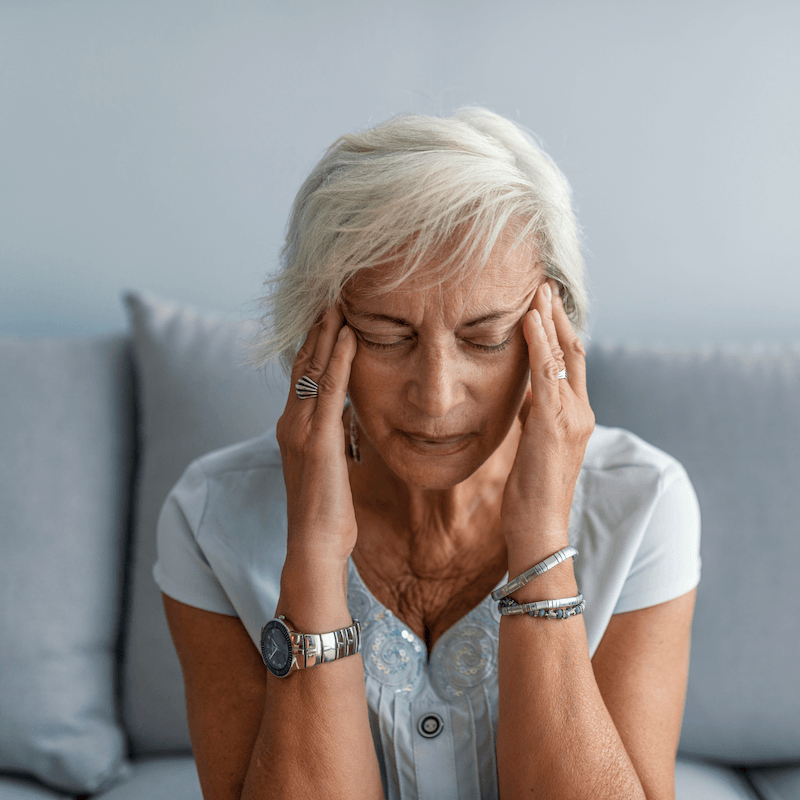
Migraine disease involves far more than severe headaches, with vestibular migraine primarily destabilizing balance, motion perception, and physical orientation. Our clinical team conducts comprehensive evaluations for chronic dizziness to establish whether vestibular migraine or another balance condition is present. Securing effective migraine treatment requires identifying your specific symptom profile and discussing those details thoroughly with your physician.
Comparing Vestibular Migraines to Typical Migraine Headaches
Both vestibular migraine and classic migraine belong to the same neurological spectrum, yet their hallmark symptoms manifest differently. The hallmark of a typical migraine is moderate to severe unilateral throbbing head pain that intensifies during ordinary physical activities. Associated features like nausea, pronounced light and sound sensitivity, and visual aura commonly accompany standard head pain.
Clinically, vestibular migraine is characterized by acute vertigo, spatial disorientation, postural unsteadiness, and motion hypersensitivity. Headache may occur, but it is not required during every vestibular episode. Manifestations may include false sensations of spatial movement, dizziness provoked by head turns, and difficulty tolerating busy visual environments.
Diagnostic criteria specify that qualifying vestibular episodes typically span between five minutes and 72 hours. Symptoms can vary from one attack to the next, making the connection to migraine less obvious than it is with recurring head pain.
What Factors Cause Vestibular Migraine Episodes?
Clinicians have not identified a solitary disease entity that directly causes vestibular migraine. The condition appears to involve overlapping brain pathways that process migraine pain and vestibular information from the balance system. A personal or family history of migraine and longstanding motion sensitivity may increase susceptibility.
Episodes may be triggered by:
- Inadequate sleep duration or irregular circadian rhythms
- Skipping scheduled meals or experiencing acute dehydration
- Emotional stress or recovery after stress
- Menstrual fluctuations and other significant reproductive endocrine shifts
- Bright, flashing, or visually complex surroundings
- Prolonged travel, turbulent physical motion, or rapid digital screen scrolling
- Alcohol intake, fermented foods, cured meats, or idiosyncratic dietary sensitivities
- Atmospheric pressure changes, weather fluctuations, or overwhelming sensory stimulation
Symptomatic Comparison Between Vestibular and Standard Migraines
Although typical migraines are known for throbbing headaches, the disease encompasses a broad constellation of symptoms beyond pain. An individual may endure nausea, vomiting, transient visual aura, extreme fatigue, cognitive impairment, neck stiffness, and sensory hypersensitivity.
Vestibular migraine may include:
- True rotational vertigo or generalized non-rotational movement illusions
- Marked balance deficits, physical clumsiness, or postural instability
- Vestibular dizziness elicited by vertical or horizontal head motion
- Motion-induced nausea, motion intolerance, and gastrointestinal upset
- Visual motion hypersensitivity when viewing digital displays, high-density crowds, or repetitive wallpaper
- A sensation of rocking, tilting, floating, or being pulled
- Acute sensitivity to daylight, artificial lighting, loud acoustic sounds, and complex visual environments
- Sensations of internal head fullness, tight cranial pressure, or full-blown migraine cephalalgia
- Reversible ear fullness, localized acoustic pressure, or ringing in the ears
Clinical chronicity, attack longevity, and identifiable triggers assist in separating vestibular migraine from alternative vestibular diseases. New dizziness with weakness, numbness, difficulty speaking, double vision, fainting, or an inability to walk requires urgent medical assessment.
The Coexistence of Vestibular Migraine and Typical Migraine Episodes
Yes, clinical overlap is common. Vestibular vertigo and migraine head pain can occur simultaneously within a single clinical flare-up. Dizziness might manifest as a premonitory symptom before head pain, peak while the headache is active, endure following pain resolution, or strike alone. Certain patients experience cyclical shifts, alternating between headache-predominant and vertigo-predominant episodes over extended periods.
A vestibular attack does not require concurrent cephalalgia to have a direct neurovascular migraine origin. Maintaining a dedicated symptom journal helps track chronological correlations that are easily overlooked during clinical consultations. Be sure to log the onset and duration of dizziness, headache severity, sensory changes, menses, sleep quality, dietary intake, identified triggers, medications taken, and treatment responses. This diagnostic data empowers your specialist to perform a much more targeted and precise clinical evaluation.
How Can a Doctor Diagnose the Cause of Vestibular Migraines?
There is no solitary laboratory blood test, radiographic imaging study, or vestibular exam that definitively diagnoses vestibular migraine. The diagnostic pathway commences with an in-depth clinical interview regarding attack presentations and personal migraine history. International diagnostic criteria standardly require at least five moderate or severe vestibular episodes lasting between five minutes and 72 hours, with classic migraine symptoms during at least 50% of attacks.
We may perform a neurological, eye-movement, ear, hearing, and balance examination. Diagnostic recommendations may involve a comprehensive audiogram, positional balance testing, advanced vestibular assessments, or magnetic resonance imaging. Such objective tests are crucial to differentiate vestibular migraine from other balance disorders presenting with similar symptoms. This clinical diagnosis is finalized only when your symptom history matches validated criteria and no other vestibular disorder better accounts for the findings.
What Treatments Are Available for Vestibular Migraines?
Therapeutic strategies are carefully customized based on episode frequency, attack intensity, presence of cephalalgia, systemic medical comorbidities, and pharmacological side effects. A large majority of patients achieve optimal disease control by pairing daily preventive therapies with targeted acute abortive strategies.
Our clinical team formulates a personalized care program that can include:
- A regular sleep, meal, hydration, and exercise schedule
- Isolating and minimizing contact with consistent environmental or dietary triggers
- Adopting psychological relaxation practices, biofeedback, or cognitive behavioral strategies
- Utilizing pharmaceutical antiemetic therapies to control severe nausea and associated symptoms
- Restricting vestibular suppressants strictly to short-term management during severe vertigo flares
- Prophylactic pharmaceuticals including beta-blockers, calcium channel antagonists, topiramate, selected SNRIs/tricyclics, or CGRP antagonists
- Customized vestibular rehabilitation therapy to address persistent disequilibrium and visual motion intolerance
These medications are reserved for acute use only, as chronic ingestion triggers drowsiness and suppresses natural vestibular compensation within the brain. Medication choices should be made with us rather than borrowed from another person’s migraine plan. Clinical stabilization often involves gradual pharmacological adjustments alongside diligent, long-term symptom logging.
Arrange an Otolaryngology Balance Assessment
If recurring dizzy spells, motion sensitivity, or balance deficits disrupt your daily comfort, contact our practice to schedule a comprehensive evaluation. The initial visit features an in-depth review of migraine history, health factors, and therapeutic aims, paired with diagnostic exams to rule out BPPV, Ménière’s disease, and competing vestibular conditions. Connect with our practice today to book an appointment for your vestibular migraine assessment.