
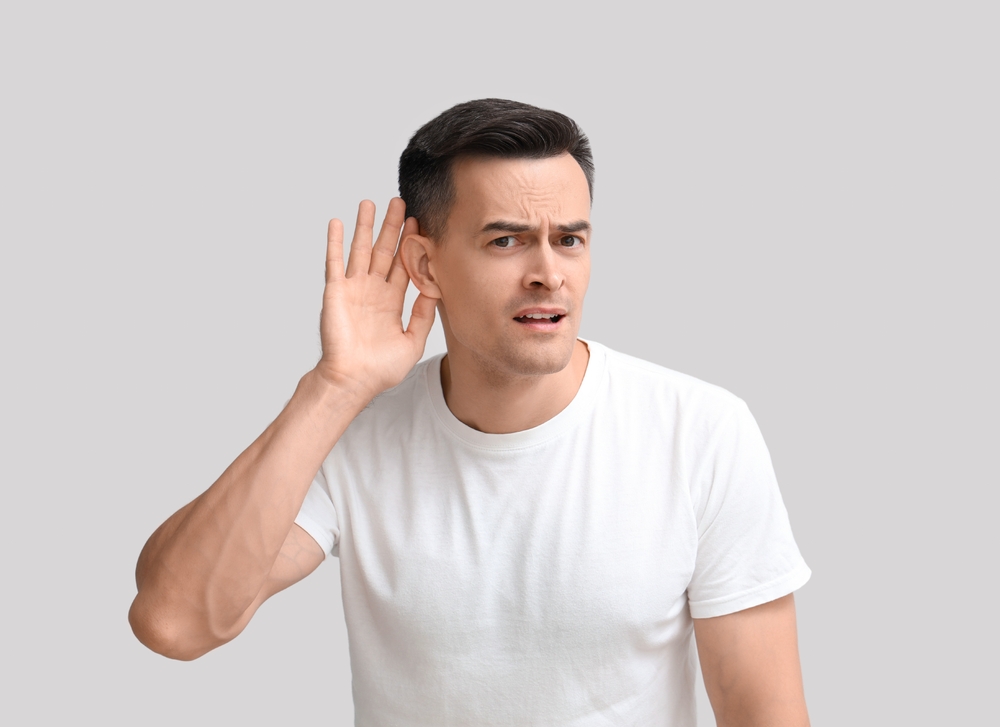
Do you often experience profound mental depletion following extended dialogue or crowded social events?
You might initially blame your exhaustion on general tiredness or a busy lifestyle. Certainly, for those with introverted tendencies or sensory processing sensitivities, social engagement is naturally taxing. Frequently, this specific type of burnout is actually triggered by chronic auditory fatigue.
Auditory fatigue occurs when the central nervous system must expend excessive energy to decode acoustic signals. When hearing is not as clear as it should be, the brain often tries to fill in missing pieces of speech and interpret unclear sounds, which takes significant mental effort. Sustained periods of this “effortful listening” eventually lead to total cognitive depletion.
Many people mistake auditory fatigue for ordinary tiredness. In many cases, persistent fatigue serves as a diagnostic “red flag” for early-onset hearing impairment. A professional diagnostic evaluation is necessary to confirm if hearing loss is the root cause of your exhaustion. Persistent patterns of post-social exhaustion warrant a discussion regarding the impact of hearing loss.
Identifying the Core Drivers of Listening Exhaustion
Several factors can force the brain to work harder during listening, increasing the risk of auditory fatigue.
The Impact of Unmanaged Hearing Loss
Unmanaged hearing loss stands as a primary catalyst for chronic listening exhaustion.
When the ears cannot detect certain sounds clearly, the brain tries to compensate by filling in gaps. Relying on context rather than clarity places an unsustainable burden on the brain during everyday conversations.
How Background Noise Triggers Fatigue
High-noise environments significantly exacerbate the symptoms of auditory fatigue. Restaurants, meetings, family gatherings, and social events often include background noise competing with speech.
When multiple sounds occur at once, the brain must filter through them to identify the important information. This intensive filtering often leads to cognitive overload, even in patients with “hidden” or sub-clinical hearing loss.
The Role of Tinnitus in Auditory Fatigue
The presence of tinnitus creates a dual-processing burden, forcing the brain to manage both phantom internal signals and legitimate external sound.
When hearing loss causes sound to arrive garbled, the brain must work with higher intensity to extract meaning.
How to Recognize the Onset of Auditory Fatigue
The manifestations of auditory fatigue impact both cognitive performance and systemic energy reserves. Patients often present with the following indicators:
- Feeling mentally drained after conversations
- Struggles with cognitive focus during collaborative sessions
- Physical head pain triggered by extended periods of listening effort
- Irritability or frustration in social settings
- Withdrawing from conversations or social events
- Requiring immediate sensory deprivation or sleep after socializing
If these symptoms occur frequently, it may indicate that your ears and brain are working harder than they should.
The Neurology of Effortful Listening
When hearing is clear, the brain can process speech almost effortlessly. Conversely, hearing loss forces the brain to redirect energy from other executive functions to assist in sound decoding.
In clinical literature, this phenomenon is identified as a surge in cognitive load. The brain is forced to sacrifice higher-level thinking to manage the low-level task of hearing sound. Sustained energy redirection eventually results in a state of total mental insolvency. Standard dialogue, which should be easy, becomes a high-intensity cognitive task.
Diagnosing the Source of Your Fatigue
When fatigue becomes a daily burden, a professional evaluation provides the necessary data for a solution. The evaluation process includes mapping your hearing range and measuring your speech discrimination accuracy. They may also evaluate how well you understand speech in background noise, which can reveal challenges that may not appear in quiet settings.
A comprehensive hearing test can determine whether hearing loss is contributing to your fatigue and help guide the next steps for treatment. Identifying hearing changes early allows treatment to begin sooner, helping reduce listening strain before it begins affecting daily activities and social interactions.
The Benefits of Audiological Rehabilitation
Treating hearing loss can significantly minimize listening fatigue.
Current digital technology restores the signal-to-noise ratio, providing the brain with a cleaner audio feed. This allows the brain to receive clearer signals without constantly trying to fill in missing sounds.
When listening becomes easier, many people notice improvements in:
- General energy levels from morning to evening
- Sharper concentration when speaking with others
- Reduced anxiety and heightened ease during social events
As the brain stops struggling to hear, the world of sound becomes a source of joy rather than a source of stress.
Recognizing the Right Moment for a Hearing Test
Consider booking a hearing test if any of the following rings true:
- Dialogue leaves you feeling cognitively spent
- Friends or family members mention that you often ask them to repeat what they’ve said
- You find yourself “guessing” at words in loud settings
- You avoid social situations because listening feels difficult
Seeking prompt audiological care is the most effective way to reclaim your energy and social confidence.
FAQs About Auditory Fatigue
Are Fatigue and Loss Identical?
Actually, no; auditory fatigue is the cognitive result of the strain, not the physical impairment itself. However, hearing loss is one of the most common causes of auditory fatigue.
Can Technology Lower My Cognitive Load?
By performing the filtering for you, hearing aids dramatically reduce daily mental exhaustion.
Can Auditory Fatigue Be Cured?
With the right treatment, the exhaustion associated with auditory fatigue is often completely reversible.
End Your Struggle with Auditory Fatigue Today
Socializing should replenish you, not leave you feeling drained. Feeling “wiped” after a party is a signal that your brain is struggling to manage its cognitive load.
Begin your journey back to energy by booking a comprehensive hearing test now. Reclaim your social life and your energy by getting the truth about your auditory health today.