
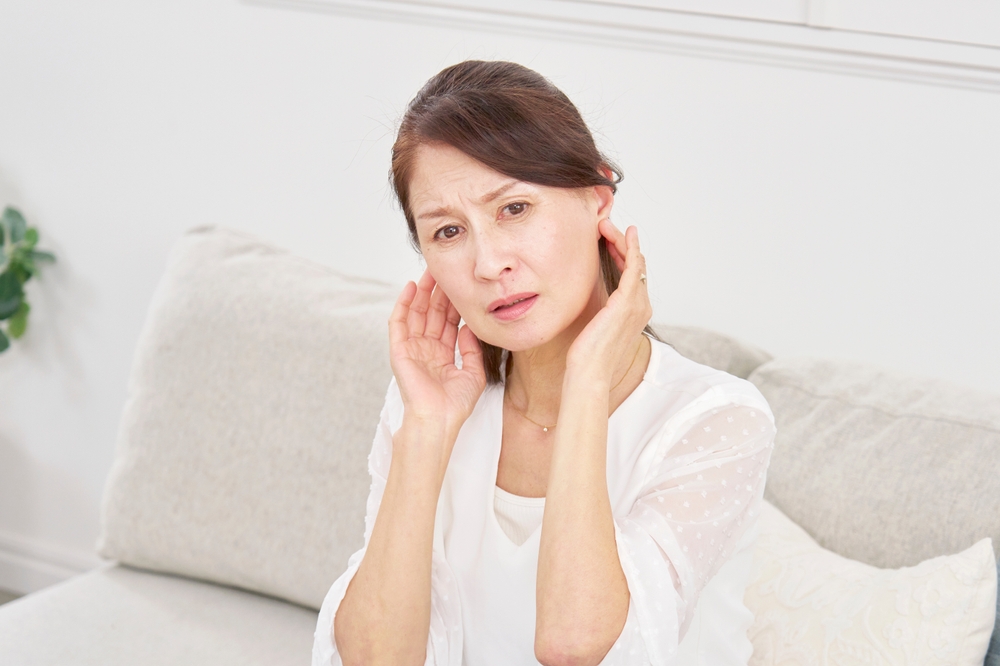
Realizing your auditory clarity has disappeared overnight is a jarring and confusing event. The experience of dropping auditory function instantly, especially in the absence of pain, is naturally jarring. Though certain triggers are short-term and easy to resolve, others demand rapid clinical assessment.
Grasping the typical reasons behind rapid deafness and knowing when to seek for help is vital for your long-term health. Below, we’re looking at sudden hearing loss, possible causes, and when to seek professional care.
Defining the Parameters of Sudden Hearing Loss
We define sudden hearing loss as a distinct drop in hearing sensitivity spanning several hours to a maximum of three days. The condition frequently impacts a single ear, though two-sided loss is possible in less common cases. Symptoms can range from perceiving muffled noise to experiencing tinnitus, a sensation of aural fullness, or compromised speech recognition.
Navigating SSHL: A Medical Priority
SSHL is one of the most critical conditions for an audiologist to investigate quickly.
This impairment occurs when there’s a problem with the inner ear, auditory nerve, or brain pathways involved in hearing. The source is often idiopathic, though medical professionals point to several probable contributing elements:
- Compromised circulation within the cochlear system
- Heightened inflammation within the auditory pathways
- Viral infections
- Complex neurological conditions
Because of the fact that timely therapy can restore hearing function, SSHL is always prioritized as an immediate medical priority.
The Role of Viral Pathogens
Several viruses have the capacity to damage hearing long-term by causing inflammation in the auditory nerve.
The following viral conditions are commonly paired with sudden onset hearing issues:
- Standard respiratory tract pathogens
- Systemic flu-related inflammation
- Herpes viruses
- COVID-19–related viral effects
You may notice hearing shifts as a virus resolves, often coupled with a sense of instability or pressure.
Impact and Auditory Trauma
Traumatic events such as concussions, barotrauma, or intense noise exposure can compromise the ear’s fragile anatomy.
The following scenarios are frequent catalysts for injury-based hearing impairment:
- Head injuries or concussions
- Rapid pressure changes such as barotrauma
- Acute loud sound exposure
- Physical displacement of inner ear fluids
Don’t ignore minor trauma, as fast hearing changes post-injury often signal underlying damage.
Impacted Cerumen and Hearing Blockage
While not a medical emergency like nerve damage, impacted wax is a frequent cause of abrupt auditory dullness.
Cerumen-induced hearing loss may:
- Appear over a rapid duration
- Create a distinct sensation of aural congestion
- Primarily impact a single ear
- Clear up following the safe extraction of the wax
It is vital to remember that home evaluation is inadequate for determining the true source of sudden deafness. Consequently, an expert audiology assessment is non-negotiable.
Other Possible Causes of Sudden Hearing Loss
The following conditions are also noted as potential sources of sudden hearing decline:
- Pharmaceutical side effects
- Blood flow conditions
- Immune-mediated inner ear disorders
- Rare growths affecting the auditory nerve
A thorough diagnostic battery is essential to eliminate these more complex causes.
Why Acting Fast Matters for Sudden Hearing Changes
It is essential to understand that delaying evaluation for sudden hearing loss is a major risk.
Immediate audiology testing serves to:
- Uncover treatable factors behind the hearing decline
- Increase the likelihood that treatment will recover hearing
- Mitigate the risk of lasting auditory deterioration
- Limit the personal and personal toll of long-term hearing impairment
Comprehensive hearing tests are the primary tool for categorizing the impairment and establishing a recovery plan.
When Rapid Hearing Changes Require an Immediate Call
You should seek prompt medical or audiology care if you experience:
- An abrupt inability to hear properly in either ear
- Auditory shifts paired with a distinct sense of instability
- The rapid onset of ringing or aural fullness
- Auditory decline following a sickness or physical trauma
Partial recovery of audition does not eliminate the need for a thorough clinical investigation.
Utilizing Diagnostics for Fast Hearing Results
Modern testing quickly identifies the exact category of the loss, such as:
- Conductive in nature, often caused by mechanical obstructions
- A sensorineural problem involving fragile neural pathways
- Likely to be short-term or a chronic impairment
The sooner testing occurs, the more likely you are to achieve a positive medical outcome.
Final Thoughts on Addressing Abrupt Hearing Loss
Abrupt hearing changes are understandably frightening, yet prompt action is your best path toward restoration.
Choosing to get evaluated immediately after a change in hearing ensures you are taking the right steps for your health. Our team is ready if you experience sudden hearing loss: Call our care team as soon as possible at our office for the help you need.