
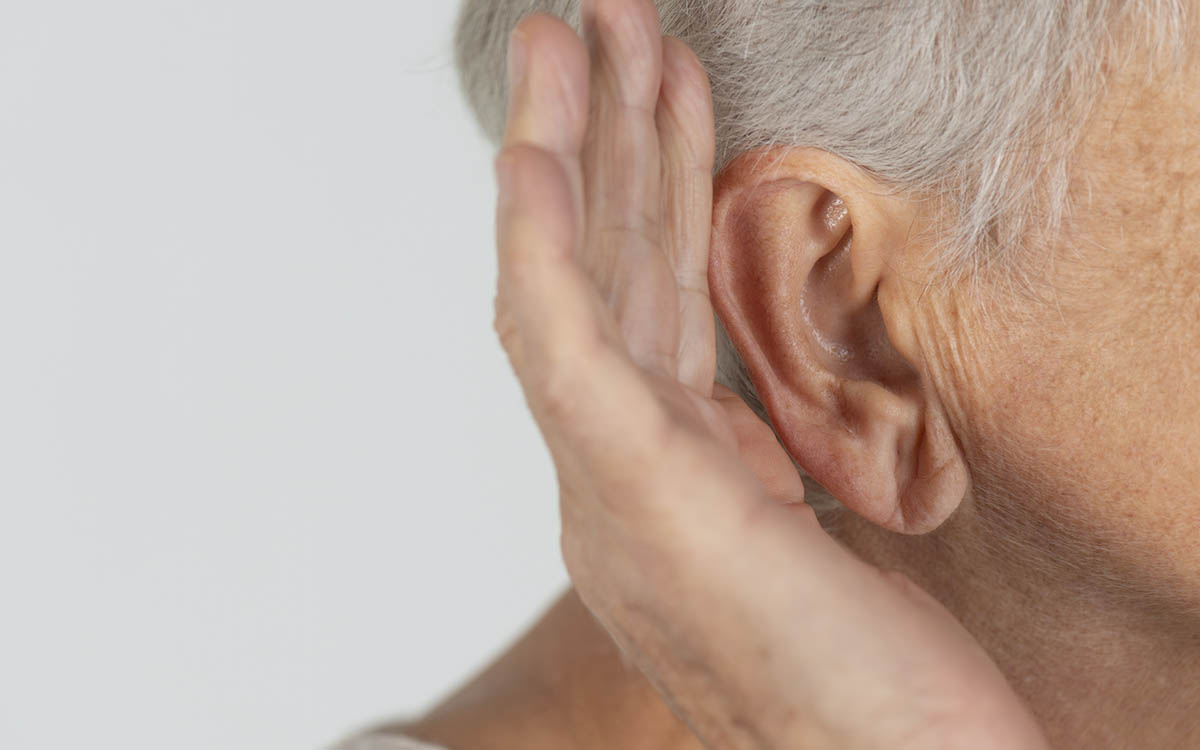
Most people associate hearing loss to senescence, however, for millions in the U.S., hearing damage begins much sooner. Among the most frequent and preventable categories of auditory damage, noise-induced hearing loss frequently develops incrementally, but it often occurs gradually and goes unnoticed until the effects are permanent.
Comprehensive knowledge of how chronic noise exposure affects the ears allows for preventative measures before major hearing loss develops.
Identifying the Nature of Acoustic Injury
Noise-induced hearing loss occurs when loud sounds damage the delicate structures inside the inner ear. The Centers for Disease Control and Prevention state that, sounds above 85 decibels (roughly the volume of heavy traffic) can begin to cause hearing damage with repeated or prolonged exposure. Intense noise sources, specifically firearms or industrial tools, can compromise hearing integrity within a very brief timeframe.
The internal auditory system houses delicate sensory units termed hair cells. The function of these cells is to transduce mechanical vibrations into neural impulses for cerebral processing. Once damaged, hair cells do not regenerate, making this form of hearing loss a lifelong auditory deficit.
Analyzing the Accumulation of Auditory Impairment
A primary clinical concern regarding noise-induced hearing loss is its typically slow rate of progression. Early exposure may cause symptoms like:
- Occasional instances of Tinnitus, characterized by ringing or buzzing sounds
- Sensations of dampened or muffled auditory perception following noise exposure
- Difficulty understanding speech in noisy environments
While these preliminary indicators may dissipate, this should not be mistaken for complete physiological recovery. Despite the lack of symptoms, persistent noise exposure causes cumulative injury to the ear, slowly reducing hearing clarity and sensitivity over time.
The hearing loss Association of America estimates that 48 million individuals in the US suffer from hearing loss, many unaware of the underlying cause.
Identifying Daily Decibel Levels to Hearing
In our modern environment, individuals often develop a tolerance or desensitization to high-volume sounds. As a result, many individuals remain unaware of the clinical prevalence of damaging noise exposure.
Typical noise-generating sources consist of:
- Concert settings and loud musical performances
- Headphones played at high volumes
- Gas-powered lawn tools, industrial machinery, and motorcycles
- Industrial workplace environments such as warehouses and construction sites
Because these sounds are often part of daily life, damage can accumulate without clear warning signs.
Why Proactive Safeguards Are So Important
Unlike other health conditions, noise-induced hearing loss cannot be reversed. Nevertheless, it remains a highly avoidable pathology. The implementation of basic protective protocols can substantially mitigate risk, such as:
- The application of earplugs or attenuation earmuffs in loud areas
- Reducing personal audio volume and adhering to the 60/60 safety guideline
- Taking listening breaks to give your ears time to recover
- Ensuring consistent Audiology check-ups for those in high-noise environments
Indicators to Consult with Expert Auditory Assessments
If you notice persistent ear ringing, difficulty following conversations, or changes in hearing clarity, you should seek evaluation from a hearing professional. Timely professional assessment facilitates the creation of a management plan to maintain long-term auditory health.
Protecting your ears today helps ensure clearer hearing tomorrow. Exposure to noise is frequent, yet hearing loss can be successfully avoided through proper care. Contact us to coordinate a comprehensive evaluation and ensure your auditory system is functioning at its peak.