
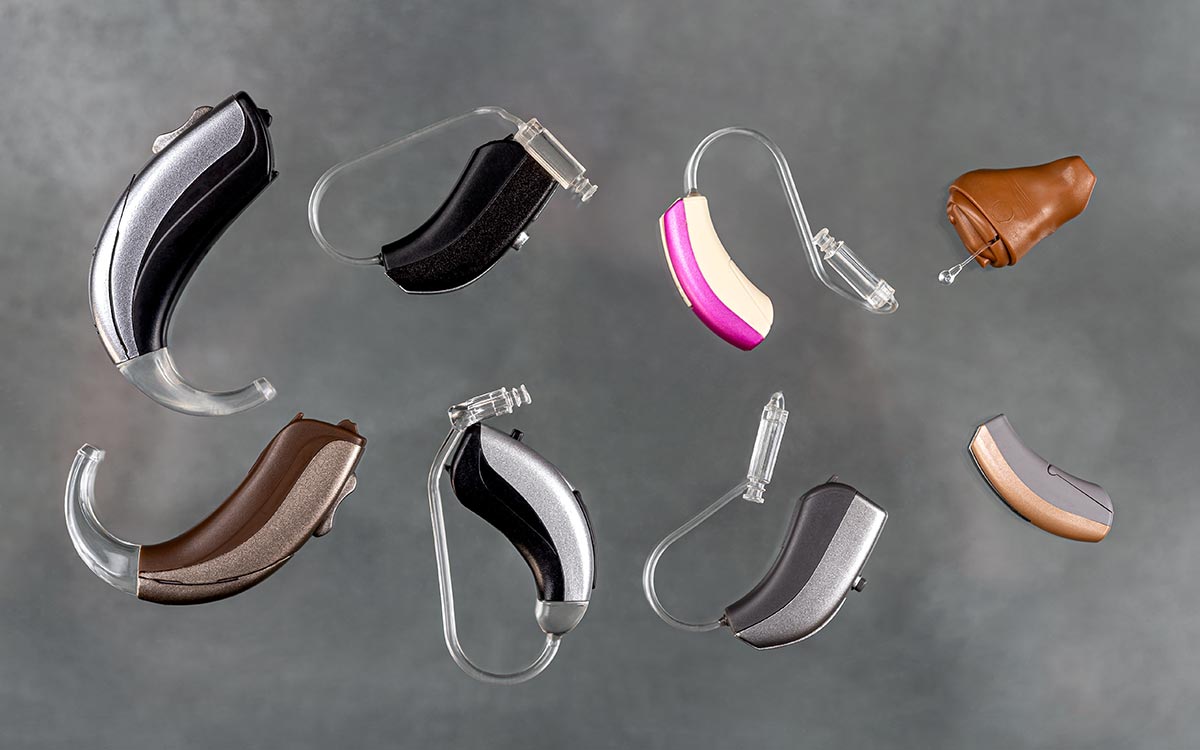
Selecting the right hearing aid can be an arduous task, given the vast array of styles, sizes, and technological features available in modern devices. Rest assured that there is an assistive device customized to every lifestyle and degree of impairment. The key is simply identifying the one that fits you best.
Feeling certain about your choice begins with knowing how different hearing aids function and compare. We are going to study the primary styles available today to help you understand what sets each option apart.
The ITC (In-the-Canal) Style Explained
The Definition:
These hearing aids are positioned partially inside the canal, making them visible only slightly from the outside.
The Advantages:
- Less apparent than standard full-size models
- Custom-molded for comfort
- Works effectively for individuals experiencing mild hearing challenges
Because they offer both discretion and useful features, ITC models are an excellent pick for those new to hearing technology.
Ultra-Discreet Invisible-in-Canal (IIC) Aids
The Idea:
These are the smallest custom-made units on the market today. This style fits deep in the ear for a completely covert appearance.
Why they are favored:
- The best option for users prioritizing appearance
- Strategic positioning allows for an incredibly organic listening experience
- Designed for comfort with an incredibly small footprint
Due to their miniature stature, these aids are generally recommended for low-to-mid-range hearing loss and users who want total invisibility.
In-the-Ear (ITE) Hearing Aids
Structural Info:
These models fill either the full or bottom half of the outer ear bowl. They are custom-made to fit the shape of your ear.
Value Offering:
- The bigger size makes it feasible to include more internal components and longer-lasting batteries
- Ideal for seniors who find smaller devices hard to manipulate
- Effective for mild to profound hearing loss
Users regularly select these units for their straightforward, single-piece construction that avoids any external wiring or tubing.
Traditional BTE Models
Operation:
BTE hearing aids rest comfortably behind the ear. Audio travels through a dedicated tubing or custom-fit mold into the ear opening.
Key Strengths:
- Known for being remarkably adaptable and robust
- Provides a wide range of amplification suitable for nearly any user
- The spacious housing enables high-tech extras and built-in power cells
For those who value a reliable device that is easy to manage and provides plenty of volume, BTE is a top choice.
RIC (Receiver-in-Canal) Overview
Mechanical Arrangement:
RIC hearing aids appear comparable to BTE models, but the speaker (receiver) sits inside the ear canal rather than inside the device behind the ear.
Market Interest:
- Very natural sound quality
- The ultra-thin style is both light and nearly effortless to wear
- An adaptable choice that works for various degrees of auditory needs
The combination of style and high-end performance makes RIC models an ideal choice in the modern market.
Extended-Wear Hearing Aids
Usage Summary:
These devices are placed far in the ear canal by a hearing professional and can stay in place for several weeks at a time.
The Appeal:
- Eliminates the requirement to put in or take out the device every day
- Sitting low in the ear makes them completely hidden from view
- You can go about your whole life—including sports and rest—while wearing them
If you want an auditory solution that requires zero daily thought, the extended-wear style is perfect.
Connected Wireless Solutions
What they represent:
Connectivity-focused hearing aids that utilize radio to integrate with your digital life.
Digital Benefits:
- Enjoy direct audio streaming from your phone or TV right into your ears
- Provides a discreet way to manage your hearing environment from your mobile screen
- Provides the ultimate in convenience for those who use smartphones regularly
This wireless technology is found in many modern behind-the-ear and in-the-canal models.
Alternative Implantable Solutions
Procedure Info:
An operatively implanted device that physically vibrates the middle ear bones to amplify sound.
Why patients choose them:
- Provides an answer for patients with anatomy that prevents the use of conventional aids
- Solves the problem of ear discomfort caused by regular hearing aids
These devices require an exhaustive medical review by an ear, nose, and throat expert.
Finding the Hearing Aid That Fits Your Lifestyle
There is no single “best” hearing aid; rather, there is an optimal one for you, determined by your medical needs and personal comfort. A specialist can provide the support needed to test out different styles and find the one that fits your life perfectly.
Take the initiative for your hearing health by booking an expert evaluation today. It’s a great first move toward better hearing and more confident communication every day.
Sources:
https://www.mayoclinic.org/diseases-conditions/hearing-loss/in-depth/hearing-aids/art-
20044116
https://www.hearinglife.com/hearing-aids/types
https://www.nidcd.nih.gov/health/hearing-aids