
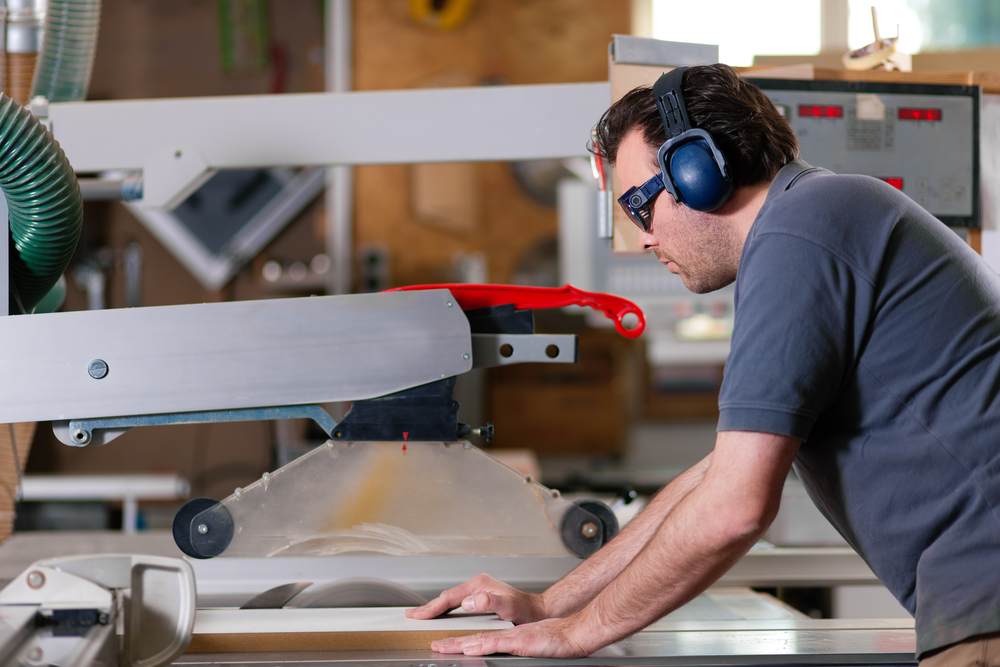
Working a prolonged time in loud noise can negatively impact your hearing, particularly when sound volume goes past safe limits. It is essential to shield your ears, not only to avoid hearing damage, but also to help you maintain concentration in loud surroundings. Hence, what steps should you follow to select the ideal hearing protection level tailored to your situation?
The importance of knowing noise levels and outcomes
Noise damage relies not only on the loudness of the sound but also on how long you are exposed to it. Decibels are the critical measurement tool for noise, indicating the strength of sound. Sounds at 85 dB and higher can result in hearing damage, primarily when exposure is lengthy.
As a frame of reference, 85 dB is about the same loudness as the sound of city traffic heard from within a car. Despite it not sounding excessive, eight hours of uninterrupted exposure at this level can begin damage to your hearing. As the sound intensifies, the period of time you can be exposed securely decreases:
- Damage can result with up to 4 hours of exposure at 90 dB (Lawnmower).
- 100 dB (Power tools): Limit exposure to 1 hour or less.
- 110 dB (Leaf blower): Just 15 minutes of exposure can cause damage.
- Even momentary exposure to 120 dB (e.g., a Rock concert) is enough to cause hearing damage.
- A sound level of 140 dB (Jet engine) can cause instant pain and damage.
Determining damaging levels of noise
You must wear hearing protection when routinely exposed to 85 dB or louder levels. Such protection is especially critical in industrial settings, including plants and construction sites, or any places where excessive noise is produced by devices, equipment, or machinery.
Hearing protection is also useful outside of the job; activities like attending music concerts, operating leaf blowers, or participating in shooting sports can subject you to unsafe sound levels.
Choosing protection based on Noise Reduction Ratings (NRR)
Hearing protection performance is quantified using the Noise Reduction Rating (the NRR) scale. Measured in decibels, this figure indicates the level of sound blockage the device offers. A more substantial reduction in sound is guaranteed by higher NRR ratings. An example is a pair of earplugs with a 30 dB NRR, which could lower an 85 dB sound to 55 dB, thereby keeping you securely within the limits of safe exposure.
In selecting protection, you must gauge the exact noise levels you encounter and verify your chosen protector reduces the sound sufficiently to remain under 85 dB.
Consistency relies on comfort: why it’s so essential
The NRR is undoubtedly important, but comfort is a similarly significant component in achieving steady, sustained use. When the hearing protection is cumbersome or uncomfortable, you are more likely to remove it, which results in your hearing vulnerable against dangerous noise.
Comfortable hearing protection encourages continuous use, reducing the risk of occasional exposure. To demonstrate, heavy or ill-fitting earmuffs may be removed by the wearer periodically, subjecting their ears to hazardous sound levels.
The main types of hearing protection devices
There are several different varieties of hearing protection, and each has its own pros and drawbacks:
- Inside the ear canal, Foam Earplugs provide superb noise reduction. They are disposable and light, yet some individuals may find them uncomfortable.
- Resting right outside the ear canal, Pre-Molded Earplugs are reusable and thus a more eco-friendly choice. They are simpler to take out and put in than their foam counterparts.
- Earmuffs, which cover the entire ear, are well-suited for environments with changing noise levels due to how easy they are to take on and off, but they can be heavy or hot during prolonged use.
Your choice should be informed by your comfort tastes and the demands imposed by your setting. For example, workers in construction may choose the convenience of earmuffs, while factory employees might select earplugs for all-day wear.
Maintaining uninterrupted use of protection
To achieve maximum effectiveness, you must find the hearing protection you will wear all the time. Removing the protection for even a short time of minutes can lead to permanent harm to your hearing. It is vitally important to select a solution that strikes a balance between comfort, protection, and convenience for this purpose.
Taking steps for long-lasting hearing protection
While noise is an unavoidable part of life, appropriate hearing protection enables you to secure your hearing without sacrificing the sounds surrounding you.
Call us today to discuss your potential for hearing loss from noise and the best ways to safeguard your hearing.